






From a pool of over 1100 completed entries, three finalists emerged victorious, having completed an interactive quiz of rapid-fire, data-driven scenarios that tested both esports' instincts and real-world engineering problem-solving.
The Future Skills challenge aimed to highlight the high-performance skillset shared between sim racers and next-generation engineers, measuring the core aptitudes of speed, logic, data analysis, and strategy under pressure.
Spanish software engineer Antonio Masuda claimed first prize by answering all questions correctly in the fastest time. A master’s graduate in data science and an F1 fan, his passion for motorsport and problem-solving capabilities secured him the top spot against fierce competition.
Two runners up shared second place: Kyle Tunstall, a UK-based roster clerk at Network Rail and an occasional F1 and Gran Turismo gamer, and Sebastian Kowalke, former F1 Esports Head of Engineering, race engineer, and race strategist.
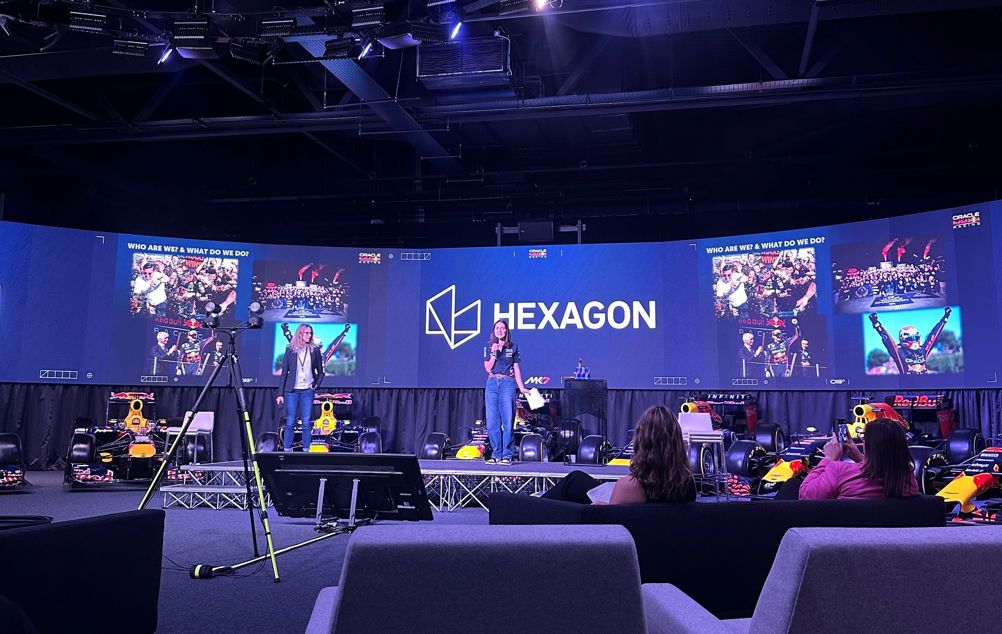
As overall winner, Masuda will receive a full Fanatec sim rig. To celebrate their success, all three finalists were hosted at a special event at the Red Bull Technology Campus on October 1, 2025, which included a tour of the factory, a sim demo from Red Bull Sim driver Sebastian Job and his teammates, and participation in Hexagon’s Future Skills event exploring how new thinking can sustain competitive advantage in global engineering.
Digital manufacturing and engineering’s next generation needs hybrid skills
The competition highlighted how manufacturing and engineering are being redefined, with the partners recognising that tomorrow’s talent need to pair technical expertise with agility, data literacy, and decision making – skills increasingly honed in digital arenas like esports as well as classrooms and apprenticeships.
In the face of global skills crisis, Hexagon believes the future lies in opening new pathways and recognising potential wherever it emerges, bridging the energy of esports with the challenges of engineering to attract and engage talented innovators from unexpected backgrounds.
Hexagon’s event at Red Bull showcased how these hybrid skills translate directly into the future of digital manufacturing and engineering, underscoring its commitment to rethinking how skills are developed and recognised, and to closing the talent gap by igniting the interest of the next generation of innovators.
"The winners of the Future Skills Challenge have shown the high-performance mindset we need for the next generation of engineering talent - the ability to work with data, think strategically, make decisions under pressure, and embrace technology. It’s exciting to see the talent pool that is emerging, equipped with hybrid skillsets that matter in both sim racing and engineering,” Alexandre Aime, VP Global Marketing at Hexagon’s Manufacturing Intelligence division, said in a statement.
“We’ve enjoyed hosting the winners at the event at the Red Bull Technology Campus, where we could showcase these skills, inspire the next generation, and demonstrate what’s possible in tackling the global skills challenge facing modern engineering and manufacturing.”
Sophia Heath, Technical Recruitment Engineer at Oracle Red Bull Racing, added: “To stay competitive, we must reach new people and inspire them to see themselves in what is an exciting, challenging and rewarding industry. Engineering needs fresh ideas and diverse talent to shape the future, and events like this show the unexpected places where those skills can come from.”
Related Content


